CGPGRHGP
Copy
[Upload Your Photo]
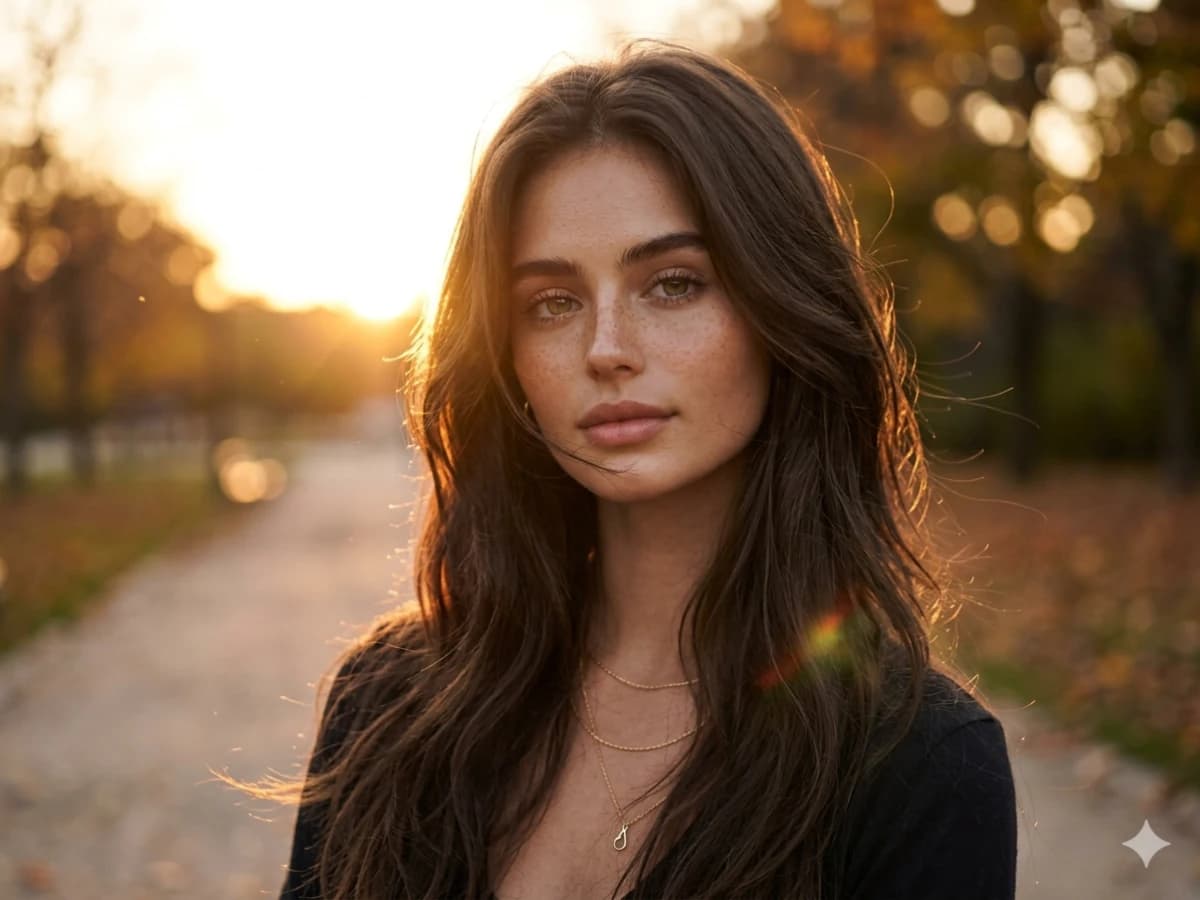
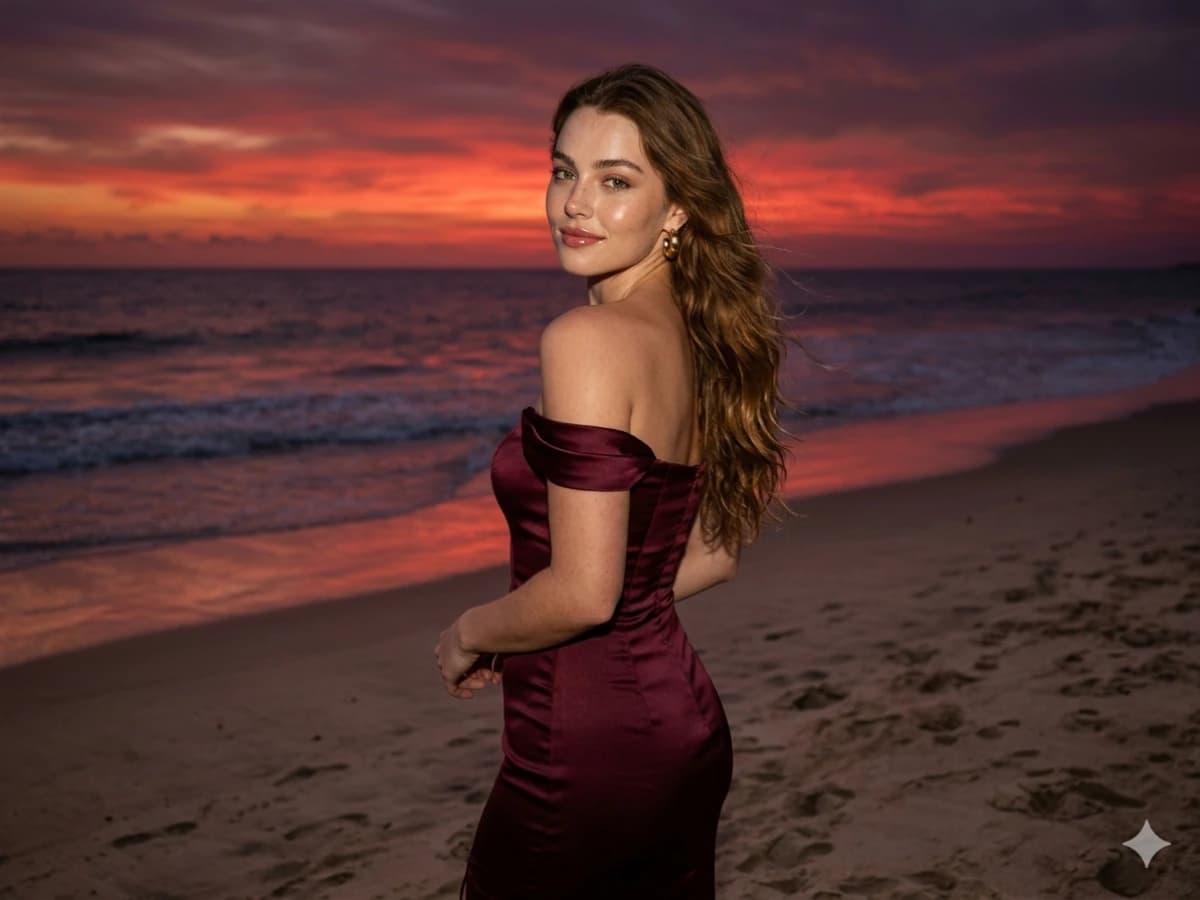
Generate a cinematic outdoor portrait that captures the essence of a golden hour aesthetic, where warm sunset light naturally wraps around the subject’s face and hair, creating a soft, flattering glow that enhances depth, emotion, and realism. The lighting should originate from a low-angle sun positioned near the horizon, casting elongated, diffused rays that gently illuminate the subject’s features while maintaining balanced highlights and shadows. The light should feel organic and immersive, avoiding harsh contrasts while still preserving dimensionality across the face, neck, and clothing.
Incorporate subtle rim lighting along the edges of the subject’s hair and shoulders, allowing the subject to stand out distinctly from the background. This rim light should be delicate yet visible, creating a soft halo effect that enhances separation and adds a cinematic quality often seen in professional lifestyle and editorial photography. The subject’s skin tones should appear natural and glowing, with realistic texture—fine pores, slight tonal variations, and soft reflections—without any artificial smoothing or oversaturation. Maintain a warm color temperature, but ensure that the tones remain true-to-life and not overly orange or exaggerated.
The subject should be positioned in a relaxed, lifestyle-oriented pose that feels candid and effortless rather than overly staged. Consider a gentle lean, a natural stance, or mid-motion posture such as walking slowly or adjusting clothing. Their facial expression should convey calmness, introspection, or subtle happiness, aligning with the emotional warmth typically associated with golden hour imagery. Hair and clothing should interact naturally with a soft breeze, introducing a sense of movement and realism. Strands of hair catching the backlight or fabric gently flowing in the wind can significantly enhance the authenticity of the scene.
Place the subject in an outdoor environment such as a park, tree-lined pathway, rooftop, or urban street that complements the golden hour aesthetic. The background should be intentionally blurred using a shallow depth of field, mimicking the effect of a fast prime lens (such as 50mm or 85mm at a wide aperture like f/1.8 or f/2). This will create a creamy optical bokeh, where highlights in the background transform into soft, circular light orbs, adding depth and visual appeal. Ensure that the background remains supportive and non-distracting, with warm tones reflecting the sunset atmosphere.
Focus on DSLR-level realism with precise exposure control. Highlights should be gently preserved without clipping, while shadows retain enough detail to avoid looking flat or underexposed. The dynamic range should feel natural, as if captured with a high-quality camera sensor. Pay attention to color grading—slightly warm with subtle golden hues, soft contrast, and a gentle fade in shadows—to evoke a timeless cinematic look. Avoid artificial HDR effects or excessive sharpening; the final image should feel like a professionally captured photograph rather than a digitally manipulated composition.
Enhance environmental storytelling by including subtle contextual elements such as sun flares, dust particles catching light, or reflections on nearby surfaces. These details should be minimal but purposeful, adding realism and atmosphere without overwhelming the subject. The composition should follow classic portrait photography principles, such as the rule of thirds, leading lines, or natural framing through trees, architecture, or light patterns.
Ultimately, the image should embody a golden hour aesthetic that feels warm, emotional, and visually captivating—balancing technical precision with artistic storytelling. The final result should resemble a high-end lifestyle editorial photograph, where light, mood, and subject connection come together seamlessly to create a compelling and authentic portrait.



Comments
0 approved comments.
Sign in to write a comment.